

I love cooking with fresh herbs and growing my own is a bonus. Have you ever dreamed of having your own herb garden but worry you don’t have a green thumb to accomplish it? Today I’m going to share how to grow herbs for beginners, so you have your very own homegrown herb garden. With a raised bed garden, a few easy-to-grow herbs, and a little sunshine, you can create a beautiful and functional garden space that brings you those yummy flavors, fragrance, and they might even bring a little joy to your everyday life!
In this post you’ll find:
What herbs are easiest to grow as a beginner
How to plant and care for your herbs
Simple tips for keeping them healthy
Answers to the most common herb garden questions

Affiliate links are used in this post. I earn a small fee by linking to their sites. Read my full disclosure here.
“When the world wearies and society fails to satisfy, there is always the garden.” —Minnie Aumonier

I’m Kim, and I’m a self-taught gardener with plenty of failed experiments, and a deep love for watching things grow. I’ve learned everything through trial, error, and 30+ years of getting my hands dirty in Michigan soil. I share what’s actually worked in my garden so you can skip some of the mistakes and get straight to the growing!
Why Start an Herb Garden?
Growing your own veggies and herbs is so rewarding. It’s also very therapeutic! The quiet and beauty of the garden never gets old for me. I enjoy working in the dirt and experimenting with new plants, too. It’s an exciting process! I also love having my own herbs to cook with. Free herbs throughout the year, what’s not to love?!
Not only do herbs add fresh flavor to your meals, but they’re also low-maintenance, budget-friendly, beautiful to grow, and smell great, too!
Most herbs are hardy and will come back year after year, but it depends on your growing zone. I lost a sage plant that didn’t make it through the cold Michigan winter. I was lucky enough to have it for a few years, so I’ll be replacing that. It’s important to check your zone to see which herbs will thrive in your area.

Asos
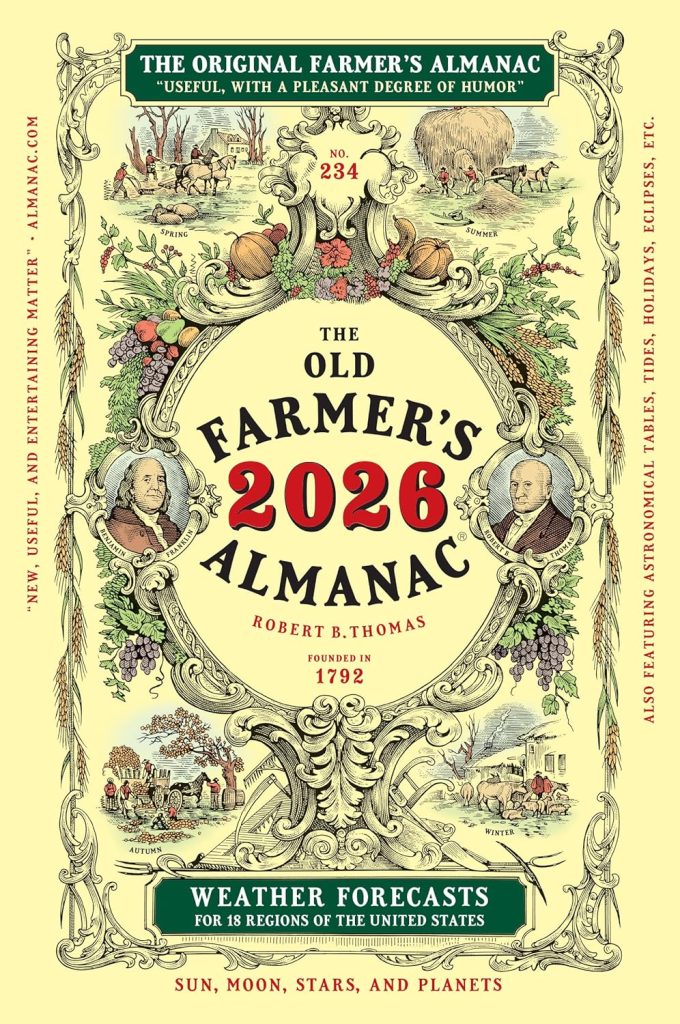
Old Farmer’s Almanac
Before you start planting, it’s a good idea to check your growing zone and local planting dates. TheOld Farmer’s Almanac is a helpful, beginner-friendly resource for finding the best times to plant herbs in your area.
We have a raised bed garden, with 5 beds, and we use one of them for a herb garden. A small raised bed is the perfect size if you don’t have a large space to create a garden. You can learn how to start your own raised bed garden HERE. Whether you are growing plants in a raised bed, an established garden or in containers, herbs bring beauty and purpose to any outdoor space!

Companion Planting
Many herbs are great companions for your other garden veggies, too. Companion planting is an old gardening method that can naturally boost growth, improve flavor, and reduce pests.

Garden Journaling
Get yourself a garden journal. This will allow you to keep track of when and what you grow, where you grow it, and how successful it is. You’ll be amazed at how helpful a journal is for future planting.

Best Herbs for Beginners
I’m not a professional gardener, but Big Al and I have been growing a garden for years. We like to keep things simple around here, so we don’t grow our herbs from seed. We always buy starter plants, however, if you want to start your herbs from seed, you totally can.
Below is a list of herbs that are low-maintenance and super useful in the kitchen, which is perfect for gardeners that are just starting out.
Basil
Basil is a fast growing herb and is ideal for beginners who enjoy cooking. Great in pasta dishes, salads, and pesto.
Mint
One of the easiest herbs to grow, but it spreads quickly. Mint is perfect for drinks, desserts, and even savory dishes.
Chives
Chives are a very hardy herb and super simple to grow in a pot or garden bed. Adds a mild onion flavor to eggs, soups, and dips. Chives are also a perennial.
Parsley
Curly or flat-leaf, parsley grows well in both sun and partial shade. Great as a garnish or chopped into fresh salads and sauces.
Oregano
Oregano is a must have if you love Italian or Mediterranean food. It’s drought tolerant, loves full sun and once established pretty much takes care of itself.
Thyme
Thyme is one of those herbs that looks as pretty as it is useful. It’s low growing, loves the sunshine and very hardy. Use it in soups or on veggies. This is a great herb for beginners!
Rosemary
Rosemary is a beautiful, fragrant herb that does well in warm, sunny spots. It’s a wonderful herb for roasting meats and even makes your garden smell amazing!

Herb Garden FAQs
How to Plant and Care for Your Herbs
Herbs are fairly easy to grow and you don’t need a “green thumb” to have success. Over the years, through trial and error, I’m sharing a few easy tips that have worked for me. Healthy herbs is the goal, and honestly, it really isn’t difficult.


Helpful Herb Tips

A Good Neighbor
Although green onions are not an herb, they are a great companion plant for your herb garden. I’ve always planted them in the bed with my other herbs. Due to their strong scent, green onions can help deter some of those nasty garden pests.

If you’re ready to discover your garden potential check out all my garden essentials!
Don’t Let Your Harvest Go to Waste
One of the best things about growing your own herbs is being able to use them long after the season is over. Drying your herbs is simple, cost-effective and a wonderful way to preserve the flavor. I actually learned to dry sage as a little girl from my mother and I still do it the same way today.
If you do grow sage this season, don’t let it go to waste! Head over to my post Simple Tips to Drying Sage at Home where I walk you through the whole process step-by-step. When properly dried, sage can keep it’s flavor and last for up to a year or more.


From My Garden to Yours – Happy Planting!
I hope this guide gives you the confidence to dig in and enjoy the process of growing your own herbs. There’s nothing better than snipping and using something fresh you’ve grown yourself! Remember to embrace the process and don’t forget to savor every little step along the way.
From my garden to yours, happy planting!

Don’t forget to follow me on Instagram and Pinterest and Facebook!

My Favorite Gardening Supplies





It’s coming along!! Looks great!
Thanks friend!
You are so right. Herbs add so many options to your other veggies. Also love mint, basil and rosemary in water, tea, juices etc. Basil comes in quickly. I put it on sandwiches, along with more common uses.
Putting basil on a sandwich sounds delish! So many fun ways to use herbs!
Thank you for this post, Kim! I definitely needed it. I’ve always wanted to grow herb garden and have tried without success in the past to keep one growing. I think part of it is that I’m watering too much and I didn’t have mine spaced as far a part as you have yours. Keeping a journal is such a great idea too. I’m in Coastal Zone 9 and it’s crazy hot during the day and rains almost every afternoon leaving a thick blanket of near tropical humidty to contend with. Thank you so much for your tips. I’m excited to share this post and to get started! Big hugs, CoCo
I’m so glad you enjoyed it! Keeping a journal is so helpful when planting year after year. I pray you have great success growing your herb garden. Make sure to let me know how it goes. Thank you so much for the share! Have the best weekend! 💚