

Ever dream of a beautifully decorated home that reflects your unique style? But feeling overwhelmed by all the choices? A DIY mood board is your secret weapon! This easy-to-use tool helps you visualize your dream space, explore different styles, and make confident decisions about your home decor. Today, I’m sharing my DIY mood board for beginners guide, where I will walk you through the steps of creating your own mood board, from gathering inspiration to putting it all together. So, grab some scissors, glue, or a digital platform, and get ready to plan your dream home decor!
“Creativity doesn’t wait for that perfect moment. It fashions its own perfect moments out of ordinary ones.” – Bruce Garrabrandt
From Vision Board to Reality: Using Your Mood Board to Decorate Your Home
Have you ever flipped through a magazine and been struck by the decor in a room that seems to sing, or radiates warmth, or pure relaxation? Those spaces weren’t created by accident – they’re the result of someone’s clear design style. But how do you identify your own unique style and translate it into your dream home? Sometimes it can feel like a daunting task!
In this post, I will help you unlock your inner design guru, find inspiration that speaks to you, and take on the journey of creating a space that reflects your personality and brings you joy. Afterall, joy should always be the end goal!
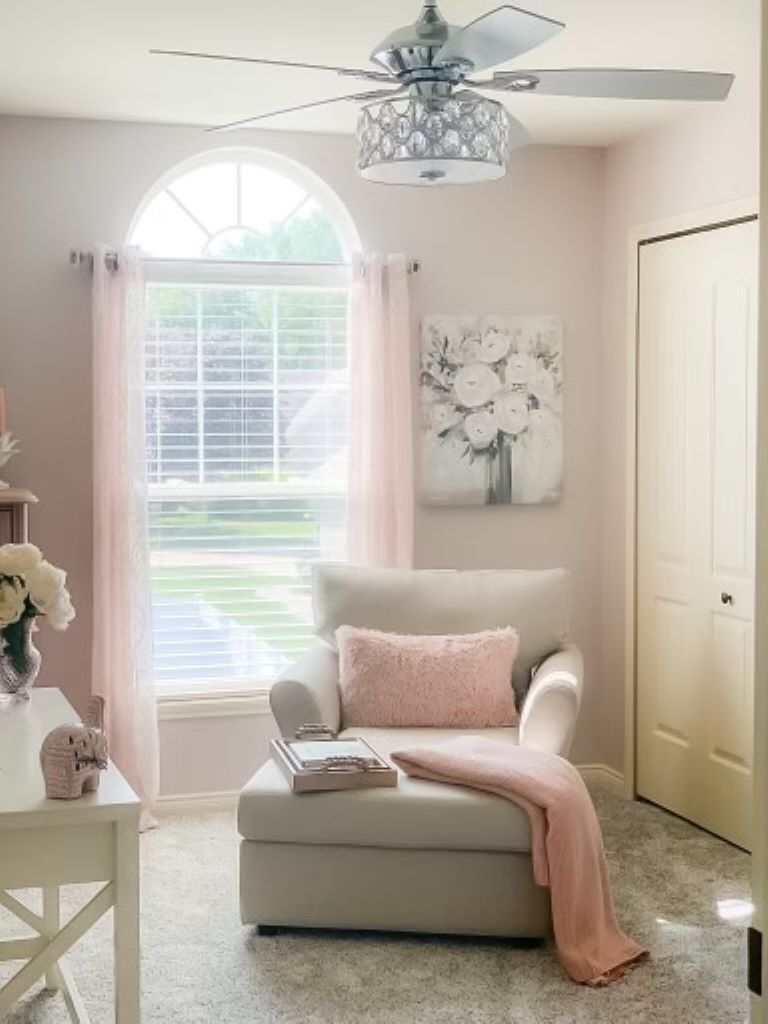

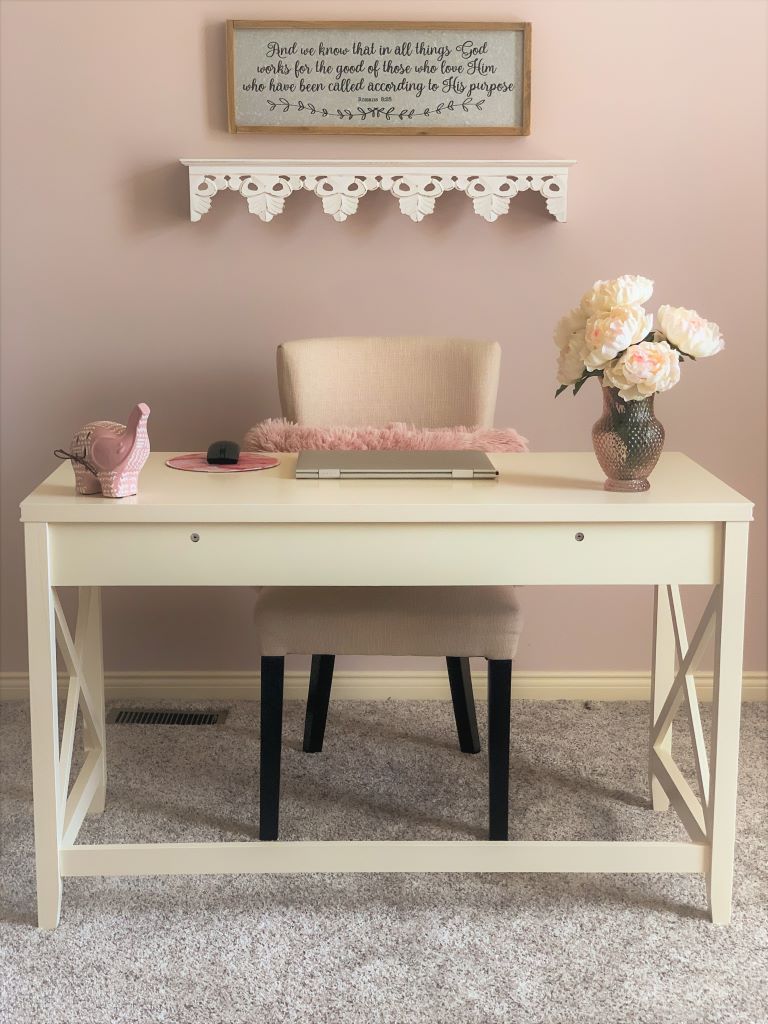
What is a Mood Board and Why Do You Need One?
For the last several years, I’ve started the New Year with creating a vision board. I literally go through all my old magazines and pick out pictures that relate to goals I have, for the new year. I then take a poster board, cut it in half and glue pictures, words and other relative inspiration I find. I like to call it a fun and creative art project, but with goals! A vision board is very similar to a mood board, in the respect that it gives you an end goal or goals that you want to achieve.
When you start a new home decor project, do you feel overwhelmed by all the choices out there? Creating a DIY mood board will help you decide what you want and make your decor dream come to life!
Building Your Board: Choosing the Perfect Platform
There are multiple ways to create your mood board. Personally, I like to use digital, incorporating photos of the products that I’m going to purchase for my project. Below is a list of options that you can use when creating your DIY mood board.
Mood Board Options
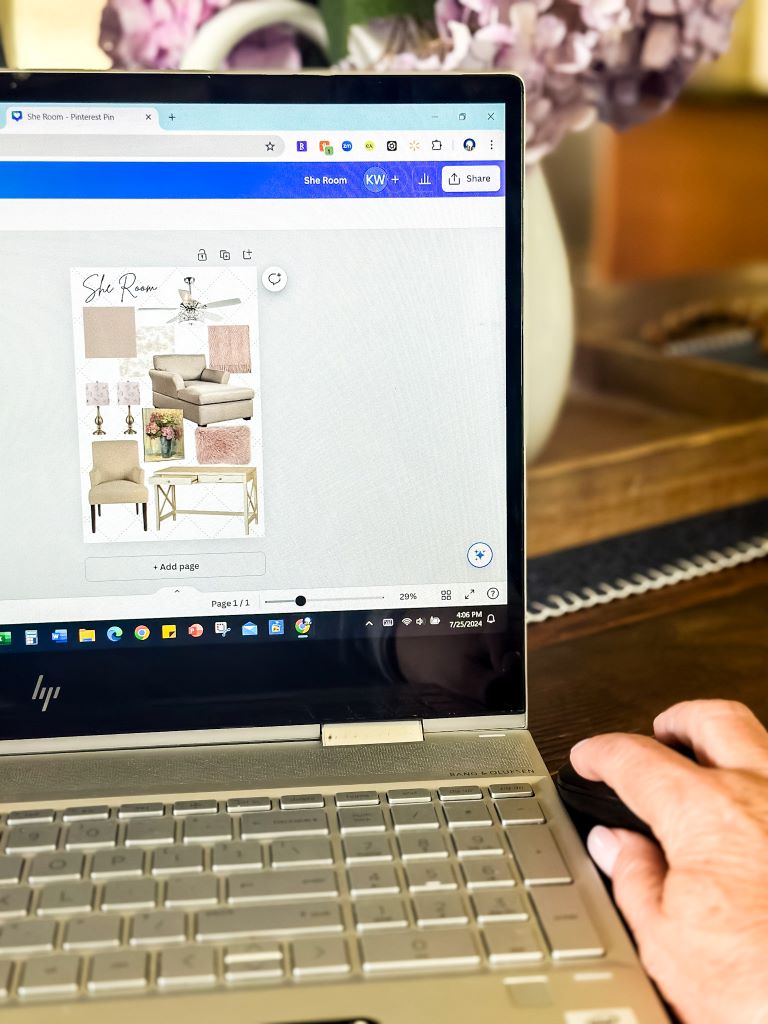
“Be faithful to your own taste, because nothing you really like is ever out of style.” —Billy Baldwin
Bringing Your Board to Life: Transforming Inspiration into Reality
When creating your mood board inspiration, to plan your home decor, remember to add personal items, such as memorable photos, travel trinkets, special quotes, and other pieces that reflect your taste. It gives your space a feeling of peace when you incorporate items that are important to you.
Now that your mood board is complete, you now have to translate it into tangible choices. This is my favorite part! Shopping for the best priced items and possibly settling for something that is just as pretty but at a lower price-point is part of the fun. Below are the steps I follow when breaking down my design planning inspiration.
Breaking Down Your Mood Board
- Prioritize Elements: Determine which elements on your mood board are essential to the overall look and feel of the space.
- Create a Shopping List: Based on your must have items, create a detailed shopping list.
- Consider Scale and Proportion: This next step is so important. Use your measuring tape when planning out your home decor space! Ensure items you choose fit proportionally within the space. If you love a specific piece, but it’s too big for your space, even by a little bit, don’t buy it! You won’t be happy with the result and you will have wasted your money.
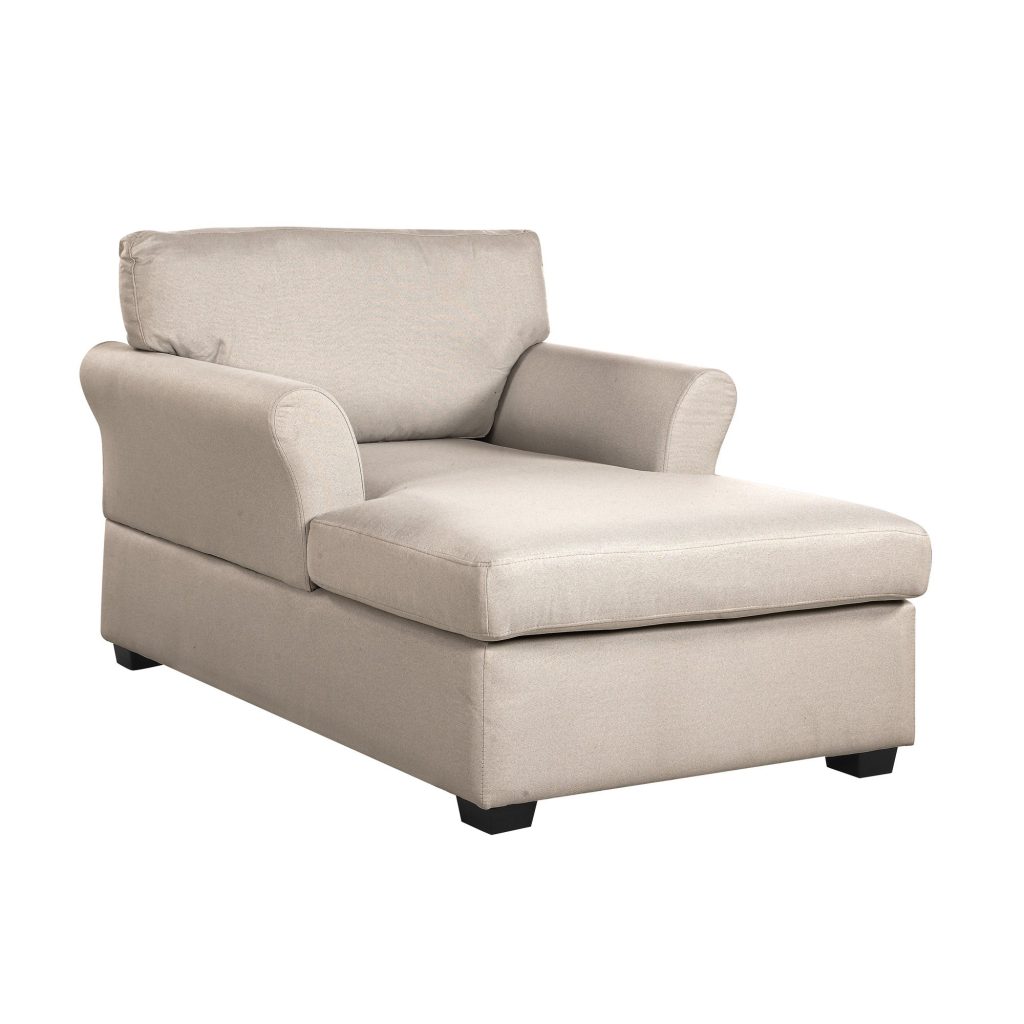
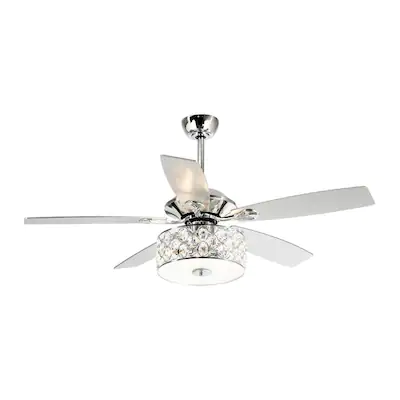
Finding Your Inspiration
- Shop Local Boutiques & Vintage Stores: Discover unique pieces that align with the theme of your mood board. Local vintage shops can be a budget-friendly option opposed to boutiques.
- Online Shopping: Utilize online platforms to find specific items or explore a wider range of options.
- DIY Projects: Create custom pieces based on mood board elements to save money and add a personal touch. Painting, refinishing, and reupholstering items you already have are great alternatives.
Incorporating Color and Texture
- Color Palette: Select paint colors, textiles, and accessories that complement your mood board’s color scheme.
- Texture Play: Introduce various textures through furniture, fabrics, and decorative accents.
- Balance is Key: Make sure the colors and textures within the space blend well together.
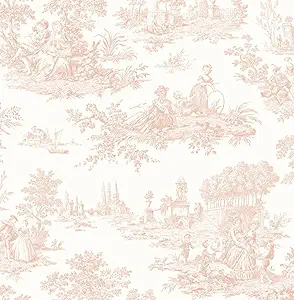

Be Practical
- Budgeting: Budget, budget, budget! Designate what you have to spend for the different parts of your design plan and stick to them!
- Functionality: Choose pieces that look good and also have practical purposes.
- Timeframe: Make sure to be realistic with your deadlines for completing your decor project.
Remember, it’s important to be open to changing things around. As with any “perfectly” planned design, things almost always have to be tweaked and changed.
DIY Mood Board for Beginners
I hope you have enjoyed these easy mood board ideas for beginners.
Creating a mood board is just the beginning of your home decor journey. Remember, a mood board is a visual planning tool, so let your creativity shine! Experimenting with different colors, textures, and images can help bring your dream home to life.
Happy mood-boarding!

Don’t forget to follow me on Instagram and Pinterest!


So many great tips and ideas Kim! A mood board or a vision board is a great idea all year long.
I agree! Thanks Elizabeth and have a great rest of your week!
This came out great!! Looks so pretty.
Thanks friend!
Love the mood board and vision board ideas. Had not heard of a few digital options.
The quote by Billy B speaks to me. Have so many favorite things collected over the
decades. Never out, love that. Your board is beautiful.
Use what you love no matter what the current trend! Have the best week!